
Emotional Triggers in Relationships: The Real Cause

Emotional Triggers in Relationships: The Real Cause

Key Takeaways

Why Emotional Triggers in Relationships Are Rarely About Your Partner

When emotional triggers in relationships show up, the size of your reaction is usually the biggest clue that something older is firing, not your spouse’s actual behavior.

A “protector” part of you steps in to guard a younger, wounded part called the exile, and that protector reacts with far more heat than the moment calls for.

Asking “how old does this feeling actually feel?” is the fastest way to separate the present moment from the old wound and change the whole direction of the conversation.

Your partner forgets something small. A grocery item, a comment, a promise. And suddenly you’re not having a conversation anymore, you’re in a fight, and you got there faster than you can explain.

That gap between what happened and how hard it hit you is where emotional triggers in relationships actually live. Most couples spend years arguing about the surface event when the real conversation is happening somewhere underneath it, in a part of you that’s been reacting to this exact feeling long before your partner ever showed up.

Here’s what’s actually going on when that happens, and why the size of your reaction tells you more than the argument itself ever will.

What’s Really Happening When You Get Triggered

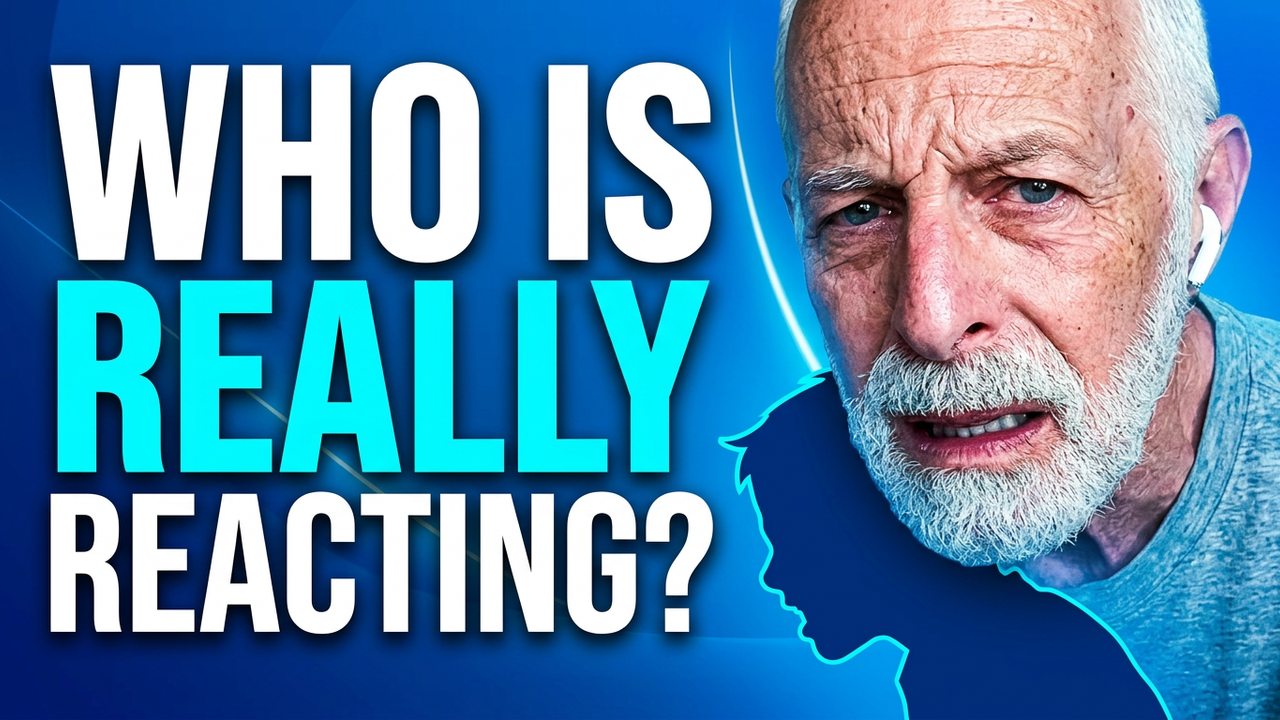
The size of the reaction is the clue. When your response feels bigger than the moment in front of you, that’s not your grown-up self responding, it’s a much younger part of you reaching back to an old wound and reacting to that instead.

Say your partner forgets something from the store, again. Maybe they’ve done it before, and maybe they genuinely need a better system for remembering. That part might be true. But if you grew up in a family where your feelings didn’t matter, where you were dismissed or overlooked, that forgotten grocery item can land like proof that you don’t matter here either. The anger that shows up isn’t sized to the item on the list, it’s sized to every time you felt that way before.

This isn’t about excusing your partner’s behavior or pretending it doesn’t need to be addressed. Something they did might genuinely need work. But the heat of your reaction and the actual event are two different things, and confusing them is where couples get stuck fighting the wrong fight for years.

Your spouse ends up standing in the line of fire for a feeling that started decades before the relationship did.

The Protector and the Exile

Two parts are working together every time you get triggered, and understanding both changes how you handle the moment.

First comes the protector. It goes on offense, getting abrupt, loud, accusatory, or it pulls away and shuts down entirely. It’s fast, it’s loud, and in the moment it feels completely justified. Its entire job is to make sure you never feel what’s underneath it.

What’s underneath is the exile, that young part of you that once felt dismissed, controlled, criticized, or abandoned and couldn’t do a thing about it. That feeling got too big to experience as a kid, so you learned to exile it. Decades later, the protector is still standing guard, making sure that part never gets touched again.

The pattern only breaks when you stop treating the protector’s reaction as information about your partner and start recognizing it as information about you. That reframe alone takes the fight out of a lot of arguments before they even start.

The Question That Changes Everything

There’s one question that cuts through the noise faster than anything else: how old does this feeling actually feel?

Pause long enough to ask it, and you start recognizing you’re not really fighting with your spouse. You’re reliving a moment from a long time ago that just got pressed all over again by something small in the present.

That recognition changes the entire shape of the conversation. Once you see it, you can soften almost immediately, because you’re no longer seeing your partner as one more person who dismissed you. You’re seeing them as someone who forgot something at the store. Nothing more, nothing less. You take back the projection you’d unconsciously placed on them.

This doesn’t happen by accident, and it rarely happens the first time you try it. It happens with practice, and with a willingness to look at your own reaction before you look at theirs.

What To Do Next

Next time you feel that flood, that heart-racing, jaw-tightening reaction that’s already three steps into the argument before you’ve decided to have it, try this:

  • Pause before you speak, even for a few seconds
  • Ask yourself how old this feeling actually feels
  • Notice whether a protector part has already taken over
  • Get curious about what younger part might be reacting instead of your partner

Don’t blame yourself, and don’t blame your partner. Treat it as an invitation to look closer at what’s actually happening inside you.

If this pattern feels familiar and you want support working through it with someone who understands both sides of the relationship, reach out to Todd Creager for guidance built specifically for couples navigating moments like this one.


The next time your partner triggers a reaction that feels bigger than the moment deserves, you now have a question to ask instead of a fight to have.

That shift, from blaming your partner to getting curious about your own reaction, is where real change in a relationship starts.

What if your next argument could bring you closer instead of driving you apart?


Learn how in Todd Creager’s Loving & Connecting Masterclass.
Lifetime access. Real results.
Frequently Asked Questions

Q: Why do small things trigger such big reactions in relationships?

A: A small event can trigger a big reaction when it echoes an old wound from earlier in life. The size of the response usually points to a younger part of you reacting to a familiar feeling, not to the actual weight of what just happened.

Q: What does it mean when you’re triggered by your partner?

A: Getting triggered typically means a protector part of you has stepped in to guard a more vulnerable, younger part called the exile. The protector reacts fast, often with anger or shutdown, to keep that older wound from being felt again.

Q: How do I stop overreacting to my partner?

A: Start by pausing before you respond and asking how old the feeling actually feels. That question separates the present moment from the old wound and often softens the reaction before it escalates.

Q: Is it normal to feel triggered by your spouse?

A: Yes, it’s a common pattern in relationships, especially for people who experienced dismissal, criticism, or emotional neglect earlier in life. Recognizing the pattern is the first step toward changing how you respond to it.

Q: What is a “protector” part in relationships work?

A: A protector is the part of you that reacts on offense or shuts down to prevent an old, painful feeling from surfacing again. It fires quickly and feels justified in the moment, but it’s protecting a younger, wounded part underneath.
Popular Post

Contact Us

Emotional Triggers in Relationships: The Real Cause

Emotional Triggers in Relationships: The Real Cause

Key Takeaways

Why Emotional Triggers in Relationships Are Rarely About Your Partner

When emotional triggers in relationships show up, the size of your reaction is usually the biggest clue that something older is firing, not your spouse’s actual behavior.

A “protector” part of you steps in to guard a younger, wounded part called the exile, and that protector reacts with far more heat than the moment calls for.

Asking “how old does this feeling actually feel?” is the fastest way to separate the present moment from the old wound and change the whole direction of the conversation.

Your partner forgets something small. A grocery item, a comment, a promise. And suddenly you’re not having a conversation anymore, you’re in a fight, and you got there faster than you can explain.

That gap between what happened and how hard it hit you is where emotional triggers in relationships actually live. Most couples spend years arguing about the surface event when the real conversation is happening somewhere underneath it, in a part of you that’s been reacting to this exact feeling long before your partner ever showed up.

Here’s what’s actually going on when that happens, and why the size of your reaction tells you more than the argument itself ever will.

What’s Really Happening When You Get Triggered

The size of the reaction is the clue. When your response feels bigger than the moment in front of you, that’s not your grown-up self responding, it’s a much younger part of you reaching back to an old wound and reacting to that instead.

Say your partner forgets something from the store, again. Maybe they’ve done it before, and maybe they genuinely need a better system for remembering. That part might be true. But if you grew up in a family where your feelings didn’t matter, where you were dismissed or overlooked, that forgotten grocery item can land like proof that you don’t matter here either. The anger that shows up isn’t sized to the item on the list, it’s sized to every time you felt that way before.

This isn’t about excusing your partner’s behavior or pretending it doesn’t need to be addressed. Something they did might genuinely need work. But the heat of your reaction and the actual event are two different things, and confusing them is where couples get stuck fighting the wrong fight for years.

Your spouse ends up standing in the line of fire for a feeling that started decades before the relationship did.

The Protector and the Exile

Two parts are working together every time you get triggered, and understanding both changes how you handle the moment.

First comes the protector. It goes on offense, getting abrupt, loud, accusatory, or it pulls away and shuts down entirely. It’s fast, it’s loud, and in the moment it feels completely justified. Its entire job is to make sure you never feel what’s underneath it.

What’s underneath is the exile, that young part of you that once felt dismissed, controlled, criticized, or abandoned and couldn’t do a thing about it. That feeling got too big to experience as a kid, so you learned to exile it. Decades later, the protector is still standing guard, making sure that part never gets touched again.

The pattern only breaks when you stop treating the protector’s reaction as information about your partner and start recognizing it as information about you. That reframe alone takes the fight out of a lot of arguments before they even start.

The Question That Changes Everything

There’s one question that cuts through the noise faster than anything else: how old does this feeling actually feel?

Pause long enough to ask it, and you start recognizing you’re not really fighting with your spouse. You’re reliving a moment from a long time ago that just got pressed all over again by something small in the present.

That recognition changes the entire shape of the conversation. Once you see it, you can soften almost immediately, because you’re no longer seeing your partner as one more person who dismissed you. You’re seeing them as someone who forgot something at the store. Nothing more, nothing less. You take back the projection you’d unconsciously placed on them.

This doesn’t happen by accident, and it rarely happens the first time you try it. It happens with practice, and with a willingness to look at your own reaction before you look at theirs.

What To Do Next

Next time you feel that flood, that heart-racing, jaw-tightening reaction that’s already three steps into the argument before you’ve decided to have it, try this:

  • Pause before you speak, even for a few seconds
  • Ask yourself how old this feeling actually feels
  • Notice whether a protector part has already taken over
  • Get curious about what younger part might be reacting instead of your partner

Don’t blame yourself, and don’t blame your partner. Treat it as an invitation to look closer at what’s actually happening inside you.

If this pattern feels familiar and you want support working through it with someone who understands both sides of the relationship, reach out to Todd Creager for guidance built specifically for couples navigating moments like this one.


The next time your partner triggers a reaction that feels bigger than the moment deserves, you now have a question to ask instead of a fight to have.

That shift, from blaming your partner to getting curious about your own reaction, is where real change in a relationship starts.

What if your next argument could bring you closer instead of driving you apart?


Learn how in Todd Creager’s Loving & Connecting Masterclass.
Lifetime access. Real results.

Frequently Asked Questions

Q: Why do small things trigger such big reactions in relationships?

A: A small event can trigger a big reaction when it echoes an old wound from earlier in life. The size of the response usually points to a younger part of you reacting to a familiar feeling, not to the actual weight of what just happened.

Q: What does it mean when you’re triggered by your partner?

A: Getting triggered typically means a protector part of you has stepped in to guard a more vulnerable, younger part called the exile. The protector reacts fast, often with anger or shutdown, to keep that older wound from being felt again.

Q: How do I stop overreacting to my partner?

A: Start by pausing before you respond and asking how old the feeling actually feels. That question separates the present moment from the old wound and often softens the reaction before it escalates.

Q: Is it normal to feel triggered by your spouse?

A: Yes, it’s a common pattern in relationships, especially for people who experienced dismissal, criticism, or emotional neglect earlier in life. Recognizing the pattern is the first step toward changing how you respond to it.

Q: What is a “protector” part in relationships work?

A: A protector is the part of you that reacts on offense or shuts down to prevent an old, painful feeling from surfacing again. It fires quickly and feels justified in the moment, but it’s protecting a younger, wounded part underneath.
Reader Interactions

Leave a Reply

Your email address will not be published. Required fields are marked *